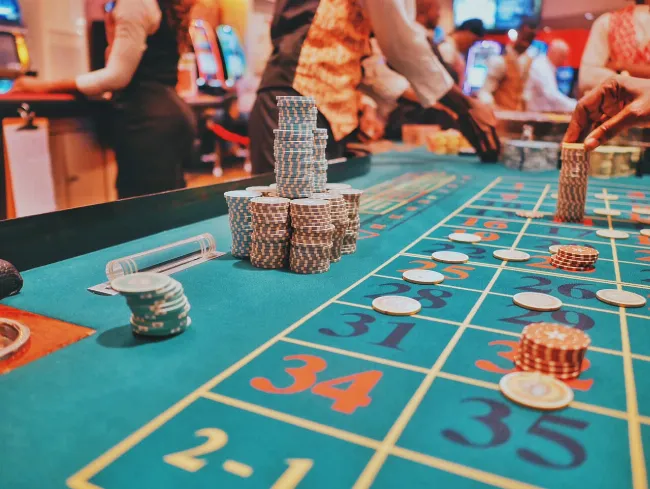
MEXICO vindicates casinos as spaces for socialization for retirees and the elderly

The AIEJA defends the recreational role of casinos, especially among older adults, and stresses the importance of gambling within time and budget limits.


The Association of Permittees, Operators and Suppliers of the Entertainment and Gambling Industry in Mexico (AIEJA) has vindicated the role of regulated casinos as spaces for entertainment, social coexistence and recreation, underlining their contribution to the well-being and quality of life of users.
The association believes that for certain sectors of the population, especially older people, going to a casino can represent an opportunity to socialise, enjoy leisure time and engage in recreational activities within a regulated environment.
From this perspective, the AIEJA insists that entertainment must always be developed under criteria of responsibility, prevention and self-care, establishing clear limits both in the time spent on gambling and in the money allocated to this activity.
The organization reminds that the value of a recreational experience should not be measured by the amounts bet, but by the possibility of freely enjoying an activity without compromising personal or family finances.
As an example of this social dimension, the association collects the testimony of Nayeli Muñoz Pantoja, a retired woman living in Mexico City who regularly goes to gambling establishments.
Muñoz Pantoja says he feels in a "safe and quiet environment" and stresses that visiting a casino allows him to have fun, meet people and enjoy his free time.
The user explains that she tries to respect both the budget allocated to entertainment and the time she decides to stay in the establishment, a behavior that the AIEJA presents as an example of the principles of responsible gambling.
The association also considers it essential to strengthen the training of casino workers, provide accessible information on the risks associated with gambling and encourage informed decisions among customers.
In this sense, he insists that playing should always be a free and limited decision, never an economic necessity or an activity that compromises individual or family well-being.