BREAKING NEWS
NOW WHAT? EXCLUSIVE ANALYSIS
General elections on November 29: the dissolution of the Cortes leaves the reform of the Gambling Law up in the air
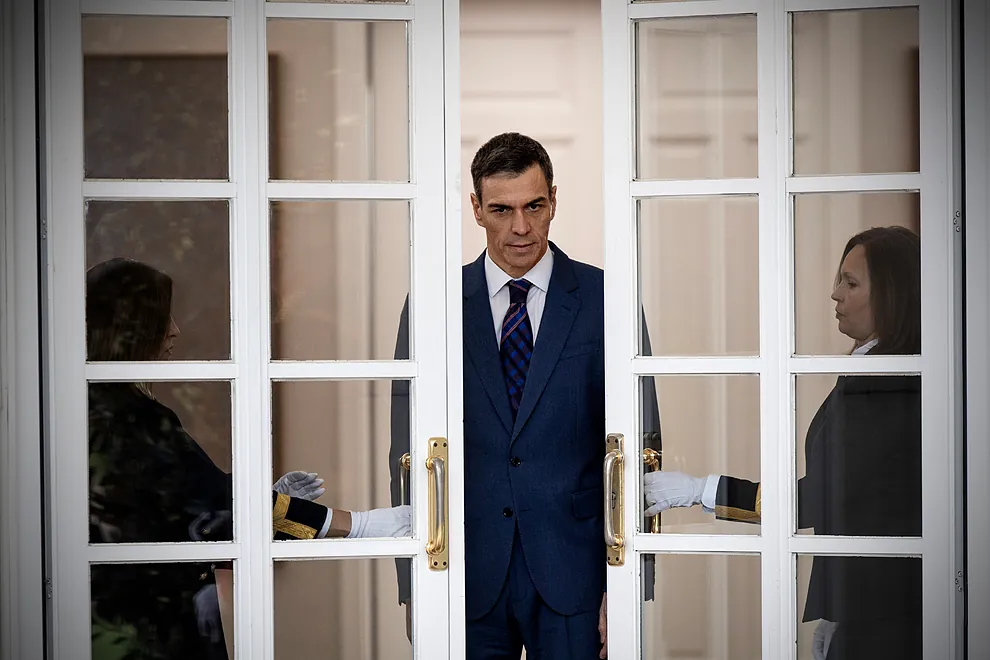
The call for general elections comes in full preparation for the reform of the Gambling Law, after months of public consultation and meetings of the DGOJ with associations, operators and other entities.


For the gambling sector, the call has an immediate consequence. According to the Rules of Procedure of the Congress, when the Chamber is dissolved, all matters pending examination and resolution expire, except for those that must be heard by the Permanent Deputation. The initiatives that the Government has not yet taken to the Cortes follow another path.
The reform of Law 13/2011, in the prior consultation phase
The major pending reform of the sector is the modification of Law 13/2011, of 27 May, on the regulation of gambling. The Ministry of Social Rights, Consumer Affairs and Agenda 2030, through the Directorate General for the Regulation of Gambling (DGOJ), opened the prior public consultation to reform it on 18 May 2026 . The contributions were collected until 22 June.
According to the text of the consultation, the reform aims to "strengthen controls, improve prevention and act with more tools against illegal gambling". Among other issues, it raises:
With the public information available, the reform has not gone beyond the prior consultation procedure. As it has not reached the Parliament, it does not expire with the dissolution. However, its parliamentary processing could only begin in the next legislature, and will be in the hands of the government that comes out of the ballot box.
This is not the first time that the reform has fallen by the wayside. At the end of 2025, the Government tried to introduce changes to the Gambling Law through the Customer Service Law, but the Senate eliminated them and Congress finally approved the regulation without them. In July, FEMARA already saw it unlikely that the reform would be approved in this legislature.
Loot boxes, in a law that is declining
The dissolution does directly affect the Organic Bill for the protection of minors in digital environments. Congress has been processing it since September 2025 and its measures include the prohibition of minors' access to loot boxes. At the end of September it was still in the presentation phase in the Justice Commission. As it has not completed its passage through Congress, it expires with the dissolution and would have to be presented again in the next legislature.
The regulatory projects of the DGOJ depend on the Government
The situation is different for the regulatory regulations, which do not go through the Parliament. The Government will not be in office until after the elections of 29 November. Until then, it retains full powers to approve royal decrees and ministerial orders. Once in office, Law 50/1997 of the Government limits its action to the ordinary dispatch of public affairs and prevents it from presenting bills.
Among the state regulatory projects that were in process in the second quarter of the year are:
Deposit limits follow your schedule
What has already been approved is not affected. Royal Decree 520/2026, of 24 June, which creates the system of joint deposit limits per player in online gambling, was published in the BOE on 25 June. It sets by default 700 euros per day, 1,750 euros per week and 3,300 euros every four weeks. Its application is scheduled for 25 March 2027, and the DGOJ must first provide operators with a trial version of the control tool.
From now on, the regulatory calendar for online gambling in Spain will depend to a large extent on the result of November 29. It will also depend on the composition of the new Courts and the priorities of the next Ministry of Consumer Affairs.