As yet another symptom of its growing irrelevance, La Quiniela, managed by SELAE (State Society for Lotteries and Gambling in Spain), has fallen into the trap of replicating some of the practices that led the Minister of Consumer Affairs, Alberto Garzón, to ban gambling advertising on any platform during the 2020 state of emergency, a ban later extended through Royal Decree 958/2020, of November 3, on commercial communications for gambling activities.
A highly questionable decision, as the Supreme Court would confirm four years later, declaring several provisions of the decree null and void.
In its summer 2025 edition, La Quiniela has fully included in its tickets matches from exotic leagues and teams irrelevant to the Spanish player. This situation has not only resulted in a sales (revenue) crisis, but it also reveals a structural crisis in the model and the role of the public entity in the era of responsible gambling.
The crisis of the Spanish Quiniela
La Quiniela is going through one of its most disconnected phases from the bettor. Once a historical emblem of public gaming in Spain, it continues to show its detachment from the traditional fan and has, this summer, taken a dangerous step toward uncontrolled saturation.
Instead of relying on the cultural and sporting roots that gave it meaning for decades, the product has succumbed to a logic of constant revenue generation, including in its tickets matches from minor leagues and unknown teams for the Spanish user.
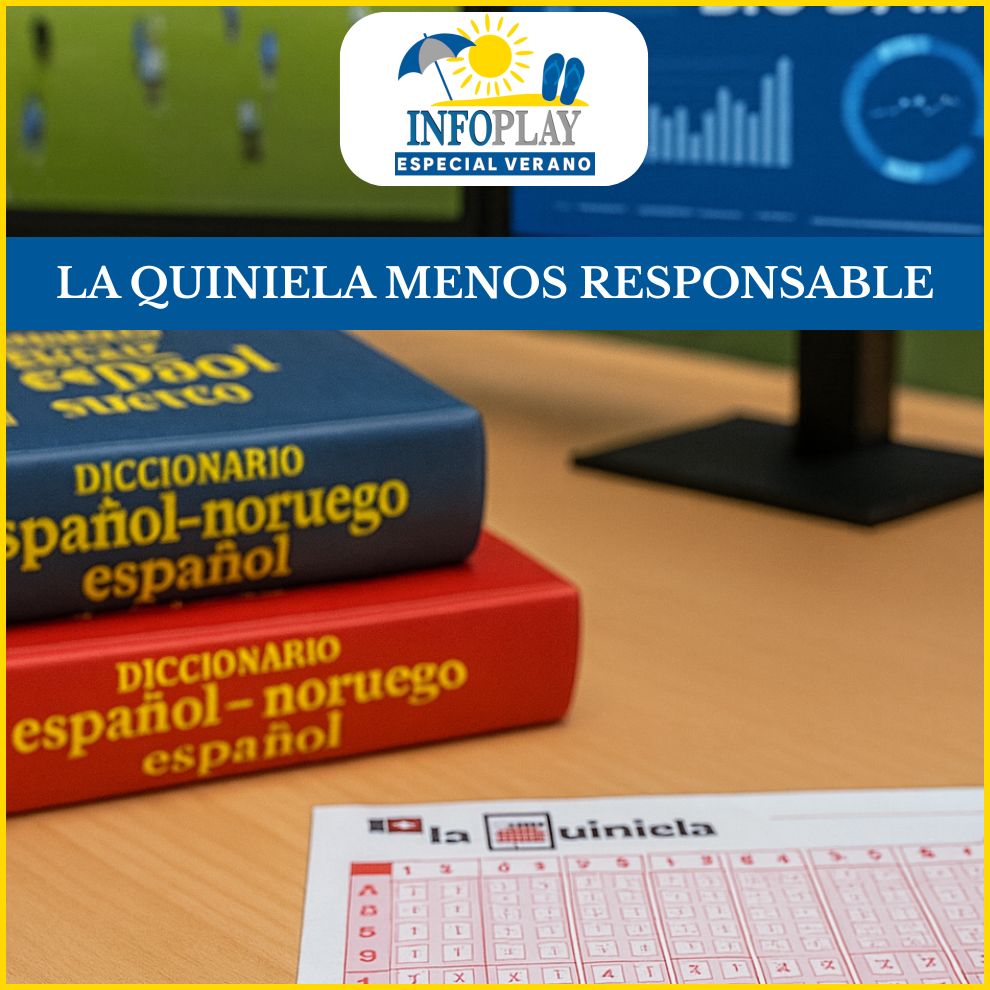
In the middle of the summer of 2025, the 1X2 tickets have been filled with unpronounceable teams and leagues that have nothing to do with Spanish football tradition.
The responsibility that SELAE preaches collapses in the face of a practice that prioritizes revenue at all costs, as we can see on any of the tickets from the month of July.
Something that adds to the complex reality surrounding La Quiniela since 2012, exposing a clear inability to compete with private operators, who allow bets from just a few cents, offer thousands of football matches via streaming, allow early cash-out, or significantly boost odds when placing combined bets.
SELAE, for its part, maintains an unpopular price of €0.75 per column (leaving players with no option for symbolic bets), introduces offerings that seem designed to fill the catalogue rather than attract users (like Quinigol or Elige 8), and overwhelms the regular recreational punter with matches and teams they’ve never heard of.
An unrecognizable summer Quiniela
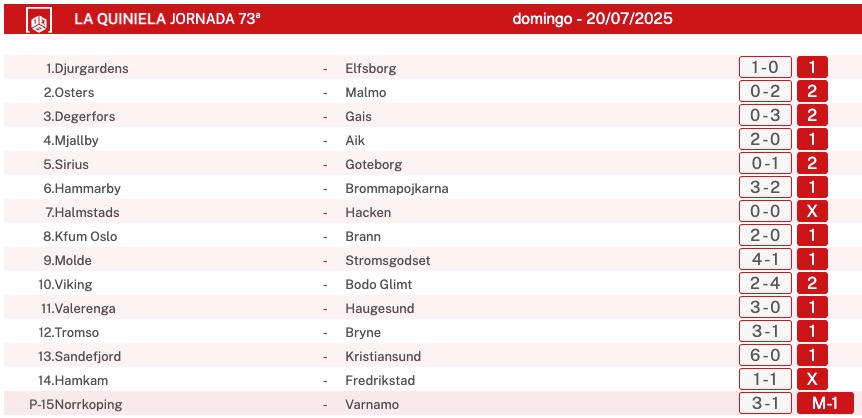
Just take a look at the ticket for Matchday 74, July 27, 2025. Teams like Gais, Mjällby, Fredrikstad or Kristiansund headline a ticket that seems more geographical than sporting. SELAE, the Spanish State Lottery and Betting agency, has chosen to maintain game frequency by stuffing tickets with matches from minor Northern European leagues. Not a trace of Spanish clubs or competitions with which the public might feel any connection.
This strategy, repeated from Matchday 71 to at least 74, completely trivializes the concept of “sports betting.” Because La Quiniela was not just a product, it was a tradition: family-oriented, social, and deeply linked to Spanish football.
Today, those values have been sacrificed in the name of revenue; although the figures hardly reflect well on SELAE’s sports betting product, as we’ll see in the next section.
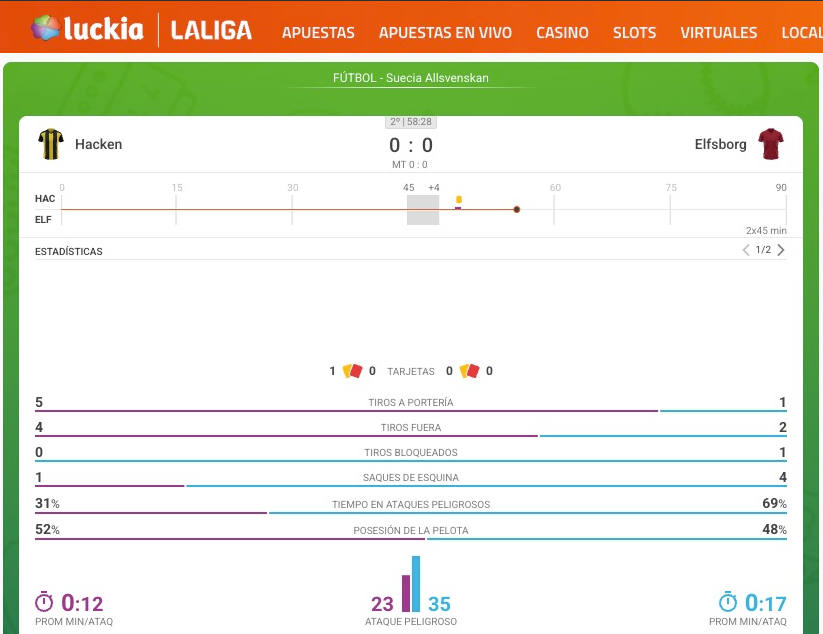
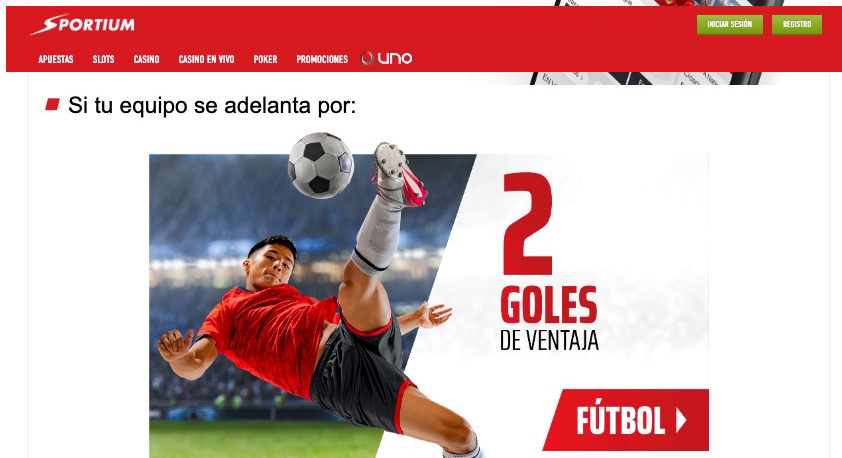
In this context, it seems obvious that it's better to turn to sports betting operators, who offer live streams of the very competitions La Quiniela promotes during the summer, invest in statistics platforms that provide real-time information, and allow users to benefit from offers and functionalities that significantly improve user experience and increase the chances of winning—thanks to boosted odds, early payouts (for example, if your selected team leads by more than one goal), or cash-out options for live bets.
Poor revenue performance
Focusing on the most recent matchdays of the Spanish Quiniela, we see rather low revenue, as can be deduced from the limited number of winners in the top prize tiers and the prizes awarded.
On Matchday 72, there were no winners of the “Pleno al 15,” so the corresponding jackpot was rolled over to the next round. Only 15 people achieved 14 correct results, each receiving €9,083.93, while the prizes dropped significantly in the following categories—most notably, the 26,000 people with 11 correct picks received just €2.37 each. In the “Elige 8” mode, participation was also modest, with only 777 winners, each taking home €21.19.
The latest Quiniela, held on July 27, 2025, confirms the trend of low participation and poor revenue: only 736,476 bets were placed, generating total revenue of €552,357. Once again, there were no winners of the “Pleno al 15,” and the 19 first-category winners received €4,651.43 each. Lower-tier prizes were significantly low: €52.98 for 13 correct picks, €4.67 for 12, €1.20 for 11, and €0 for those with 10 correct results.
All of this is compounded by the significant gap between total revenue and the prizes distributed, which in matchdays with no “Pleno al 15” winners has exceeded €250,000. In other words, with an average revenue of €550,000, around €300,000 is allocated to prizes.
By contrast, the matchday on January 5, 2025—during the peak of the football season—reached €1,446,162.75 in revenue, nearly triple the €552,357 of just a week ago.
SELAE vs. SELAE: the contradiction of public gambling
SELAE has long positioned itself as a champion of responsible gambling. During the push for the Garzón Decree, the public entity insisted that normalizing constant gambling was unacceptable, criticizing private operators for offering betting opportunities 365 days a year, which it claimed was harmful to consumers.
However, SELAE’s behavior this summer reveals an alarming contradiction: in order to maintain uninterrupted revenue, La Quiniela has become a nonstop product.
There is no seasonal break, no sporting logic—just one obsession: don’t lose sales. Exactly what SELAE had criticized about the private sector.
This omnipresence contradicts all basic principles of exposure control, duration, and rest—fundamental pillars of responsible gambling.
Moreover, this summer drift of La Quiniela in 2025 shows us an abundance of unknown matches for football fans, which prevents players from having a clear understanding of what they are betting on—and paying for.
The saying “Tell me what you boast about, and I’ll tell you what you lack” perfectly captures SELAE’s stance.
The public entity harshly criticized the advertising strategies of private operators, especially during the COVID period, leading to drastic restrictions by the Ministry under Garzón. But now, SELAE repeats the very same patterns it once denounced: maximizing revenue from unprotected players, saturating them with matchdays and opaque content.
One only has to look at past headlines to see that, for years, SELAE spearheaded a narrative focused on the need to avoid constant betting offers and uninterrupted gambling consumption, promoted by private operators.
This message gained momentum during the push for the so-called Garzón Decree (2020), which restricted advertising, bonuses, and aggressive communications from commercial operators, highlighting concerns over constant betting on events like football competitions in Belarus or e-sports tournaments.
The current model undermines the principles of responsible gambling. It exposes the public to continuous betting, without limits or breaks, through confusing and costly tickets.
By replicating a logic of endless saturation, SELAE loses the opportunity to be a truly distinctive alternative to private betting houses, reducing its appeal to just one element: the jackpots, which only exist due to the absence of winners in previous matchdays. These jackpots are then highlighted in flashy advertising campaigns perfectly synchronized with the media calendar.
But beyond that, as we’ve seen this summer, SELAE fails to fulfill its educational and moderating role within the gambling ecosystem.
18+ | Juegoseguro.es - Jugarbien.es