To what extent is Luiz Inácio Lula da Silva's veto of online gambling credible or is it only an electoral coup?
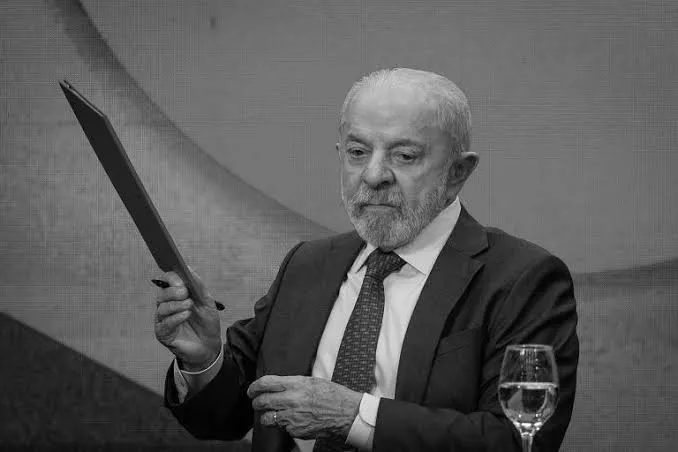
Luiz Inácio Lula da Silva's betting ban nine days before the elections in Brazil opens the debate on his real viability in front of Congress, football and the regulated market.


Just nine days before the presidential elections, Luiz Inácio Lula da Silva has shaken up the Brazilian political scene by signing a provisional measure to immediately ban sports betting and online casinos throughout the national territory. As reported by the international network Telemundo, the president justified the drastic decision on the negative economic impact and over-indebtedness that these platforms are causing in lower-income households, describing the phenomenon as a public health problem comparable to a mass addiction. The initiative unleashed a withering response from his main rival at the polls, opposition senator Flávio Bolsonaro, who described the announcement as a real electoral scam by recalling that it was Lula's own government that was in charge of regulating the sector at the end of 2023, whose operating licenses came into full force at the beginning of 2025.
Despite the forcefulness of the official discourse and the promise of an imminent blackout of applications, the measure faces a complex legal reality in the National Congress that calls into question its viability in the medium term. Having been processed through the urgent route of a provisional measure, the prohibition has immediate application but requires the ratification of the two legislative chambers within a non-extendable period of 120 days; if the necessary votes are not reached in that period, the provision will automatically lose its validity. The fate of this regulation will be conditioned by the map of political balances that emerges from the ballot box and by the position of a Parliament that has historically leaned towards tax collection and regulatory control over policies of total prohibition.
Likewise, the decision clashes head-on with the consolidated financial structure around the formalized gaming sector and with the country's professional sports. According to Telemundo's report, the measure has unleashed deep alarm among clubs in the first division of Brazilian soccer, such as Flamengo and Palmeiras, whose finances depend on sponsorships that exceed one billion reais per year contributed by federally licensed operators. Both the clubs and the employers' association of authorized companies have warned of the serious legal uncertainty involved in punishing companies that complied with the millionaire payment of royalties and demanding requirements for responsible gambling, while experts in the sector warn that a forced blocking will not eradicate betting, but will channel citizen demand to clandestine pages based in tax havens, completely unprotecting users.
EMH
27 de septiembre 2026