Unions and Operators such as Novomatic Italia and Cirsa Retail approve a security protocol for the 12,000 employees of Italian bingos and salons
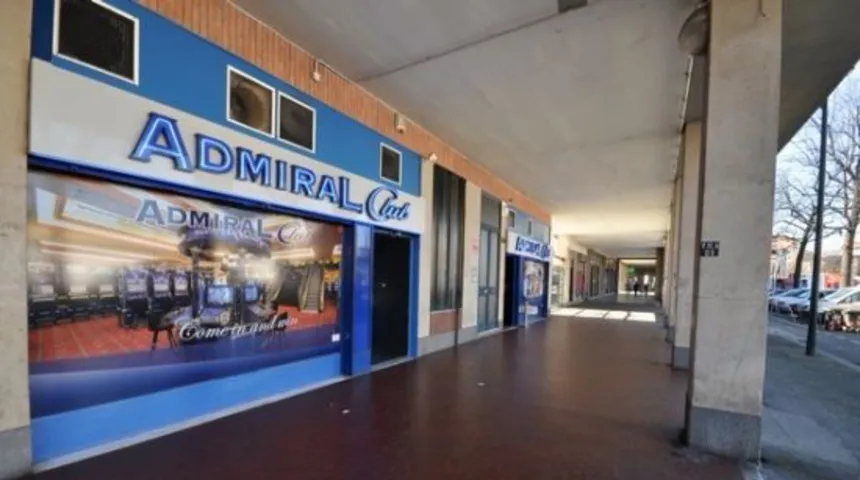
The Labor Unions of Filcams Cgil, Fisascat Cisl and Uiltucs have confirmed that the 12,000 employees of bingo and gaming rooms that are already prepared to open in Italy have already signed the applicable Health Safety Protocol in the coming months. This protocol, signed yesterday Thursday, May 14, has been supported by the most relevant operators in the country, such as Novomatic Italia and Cirsa Retail.


This agreement, which will have an initial scope of up to 12,000 workers nationwide in Italy, both direct employees and related employees of the more than 200 subscribed gaming rooms, will serve for the first bingos and gaming rooms in the country to have measures protection systems for clients, employees and other professionals that are required in the facilities of these establishments.
"The agreement - comment by Filcams CGIL, Fisascat Cisl and Uiltucs - aims to eliminate the risk profiles associated with social aggregation, that is, the risks of reunion, proximity (due to the excessive proximity of people) and exposure (possibility of contagion of the subject), already largely limited by the application of the provisions set forth in the last Dpcm The agreement signed, union organizations conclude, represents an important precursor to achieving agreements, at the company level, that places individual companies in the sector in a position to be ready for a safe start. "
The agreement has come - according to the unions involved - thanks to a great interest on the part of the union delegates to prioritize the health of workers at the same time that they were understandable by the situation that companies and institutions are also experiencing.
In any case, it has been concluded that the reopening of these activities is extremely important, as long as it is done with the precautions guaranteed by the Protocol.
The Protocol was studied on the basis of a careful and explicit analysis of the organization of work in the rooms, of its phases in the different services offered and of possible interferences, identifying risk profiles and organizational countermeasures to contain or eliminate risks, according to these 3 "pillars":